view case



MemberRx is a specialty pharmacy service created by OTIP (the Ontario Teachers Insurance Plan) and Cubic Health. Its team saw that plan members looking for mental health support were largely left to find care on their own. Cubic Health partnered with Crowdlinker to build the Mental Health Hub: a guided intake for members and a workspace for the Triage Coordinators who connect them to appropriate care. The first phase went live in September 2026 as a pilot for OTIP members.
Scale-up
Healthcare
Proof of Concept, Member Intake, Coordinator Workspace, Partner Clinic Portal

A member with a mental health concern typically has to find a provider alone, sit on a wait list and work within an annual coverage cap of roughly $1,500 to $2,000, compared with $25,000 or more for a comparable physical condition. Benefit plans, meanwhile, spend tens of millions of dollars on psychological services with no data on whether members improved. MemberRx wanted to close both gaps with a service that guides members to appropriate care and measures what happens next.
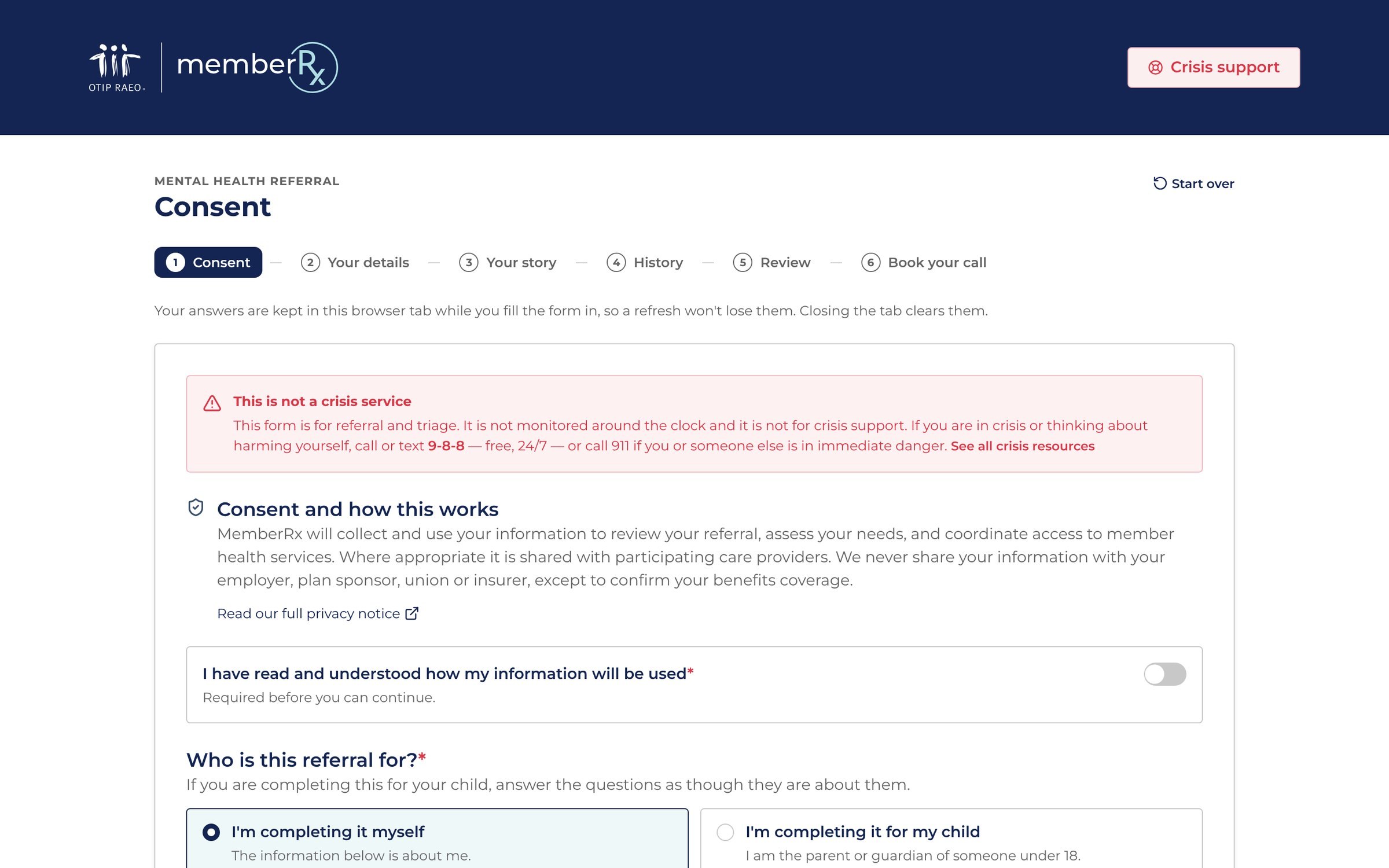
Mental health intake carries real risk. The tool had to collect sensitive information with informed consent reviewed against PHIPA, recognize signs of crisis and escalate them immediately, and avoid adding barriers such as account creation at the moment someone asks for help. It also had to work in English and French.
The team was equally clear about what the product should not be. Phase one was deliberately not an automated triage engine. Clinical judgment stays with a human Triage Coordinator, and the software's job is to give that person the right information, a consistent process and a record of every step. All of it had to be right-sized for a pilot of up to 500 members and ready for MemberRx's roadshow with union partners.
Before the engagement formally began, a single senior Crowdlinker engineer built a working proof of concept using AI-assisted development. There was no separate design file at any stage. The interface was designed directly in code, which removed the handoff between design and engineering and let Cubic Health's leadership react to a real product instead of a slide deck.
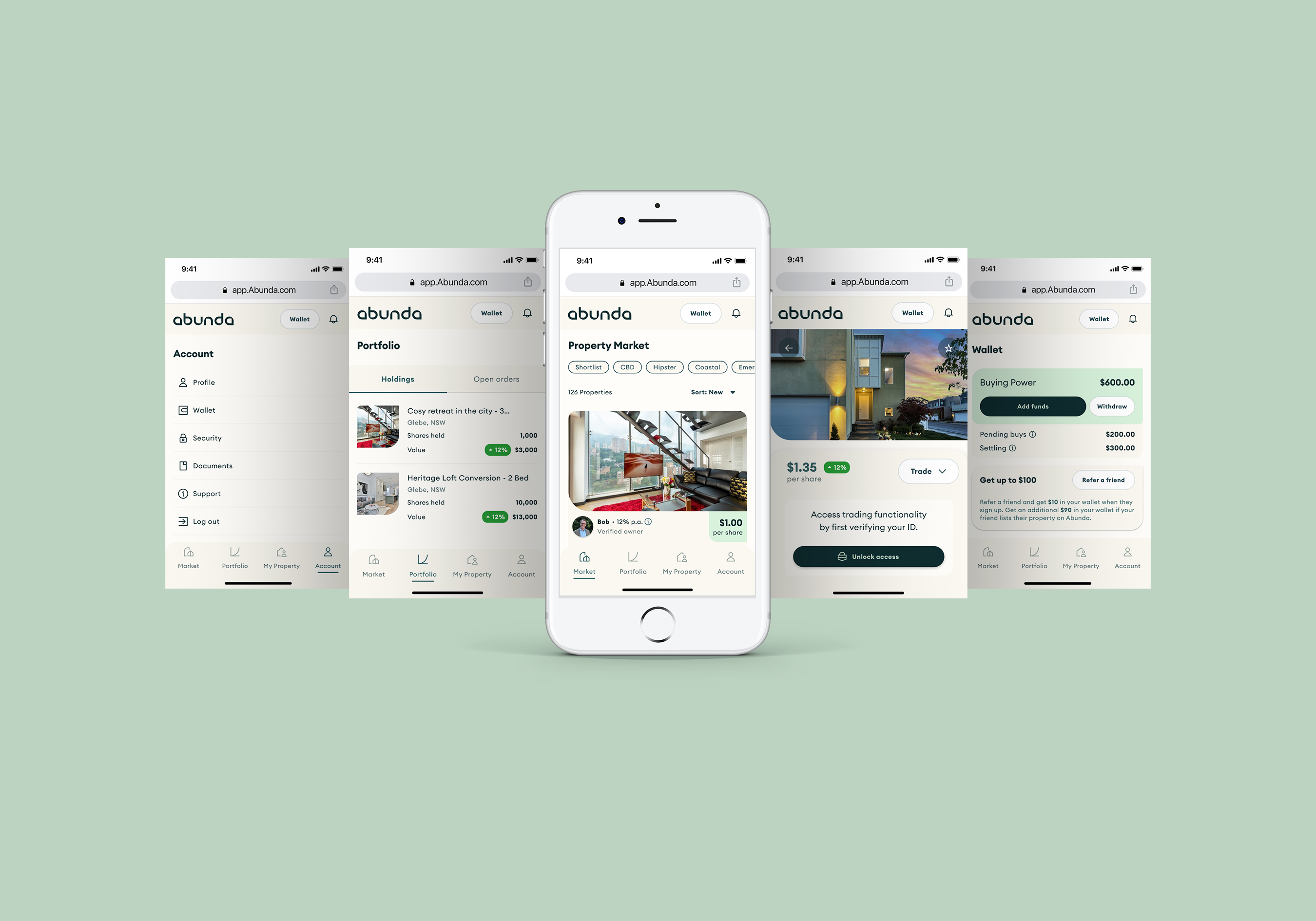
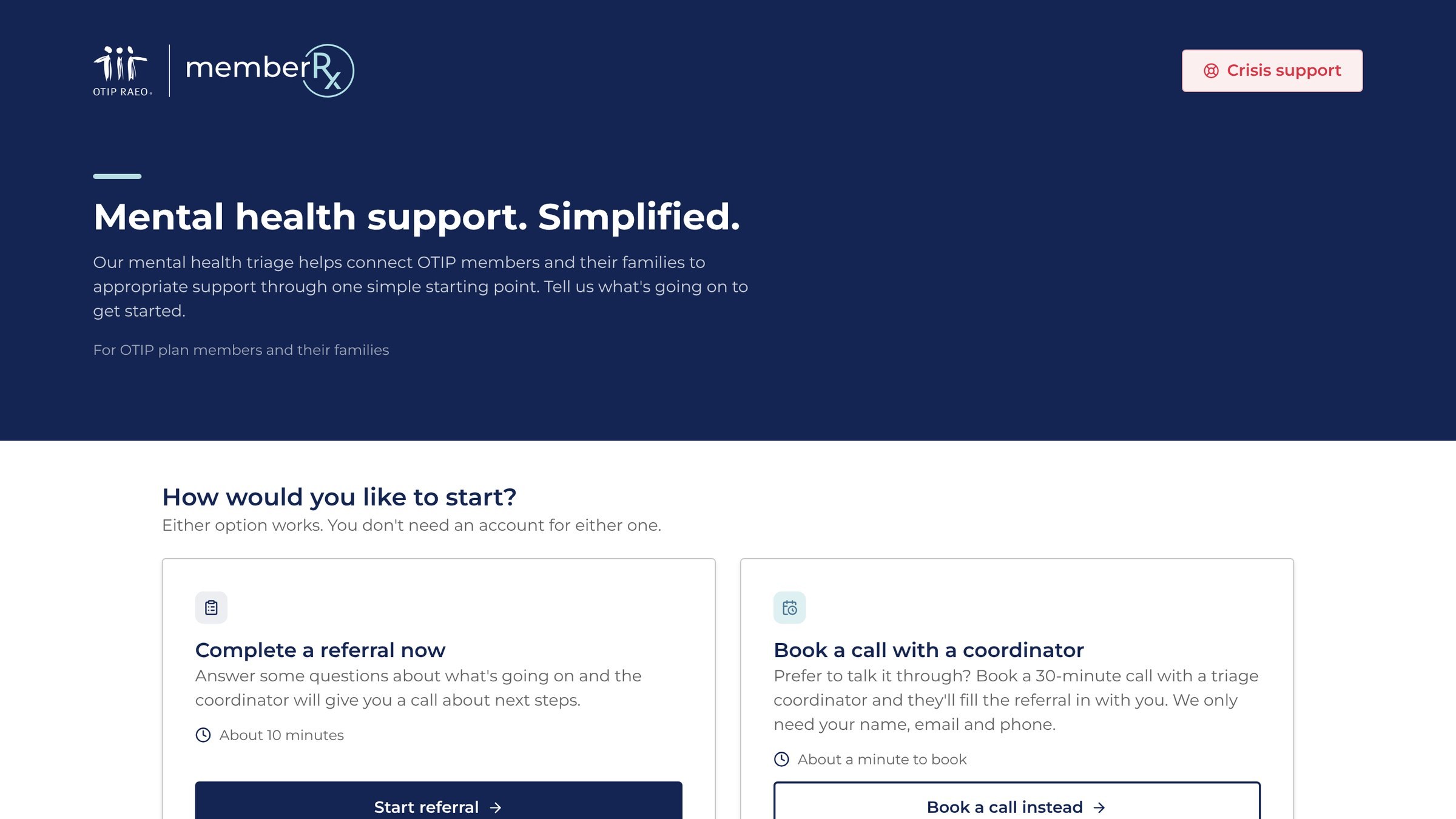
The delivered platform is five applications in one TypeScript codebase. Members use a public Health Hub to complete a guided referral in about ten minutes, with no login, verified by email or a ticket ID. Triage Coordinators work in a management portal with staff single sign-on through Microsoft Entra ID. There they confirm eligibility with the plan administrator, review a baseline severity signal and crisis flag, choose a care pathway and log notes and calls. Partner clinics receive a case packet through their own portal, so a warm handoff does not depend on which system the clinic runs.
Behind the portals, a NestJS API and background workers handle verification, notifications, scheduling and automated follow-ups, with a separate service for inbound webhooks. The platform runs on Microsoft Azure with deployment through Azure DevOps. The journey is instrumented from the start: intake, triage, referral, follow-up and outcome are each captured, so the pilot can report on what members experienced and not only on how many signed up.
We worked in sprints alongside Cubic Health's technology team, shipped the English experience first and closed with a full engineering handover. The French version rolls out in November 2026.
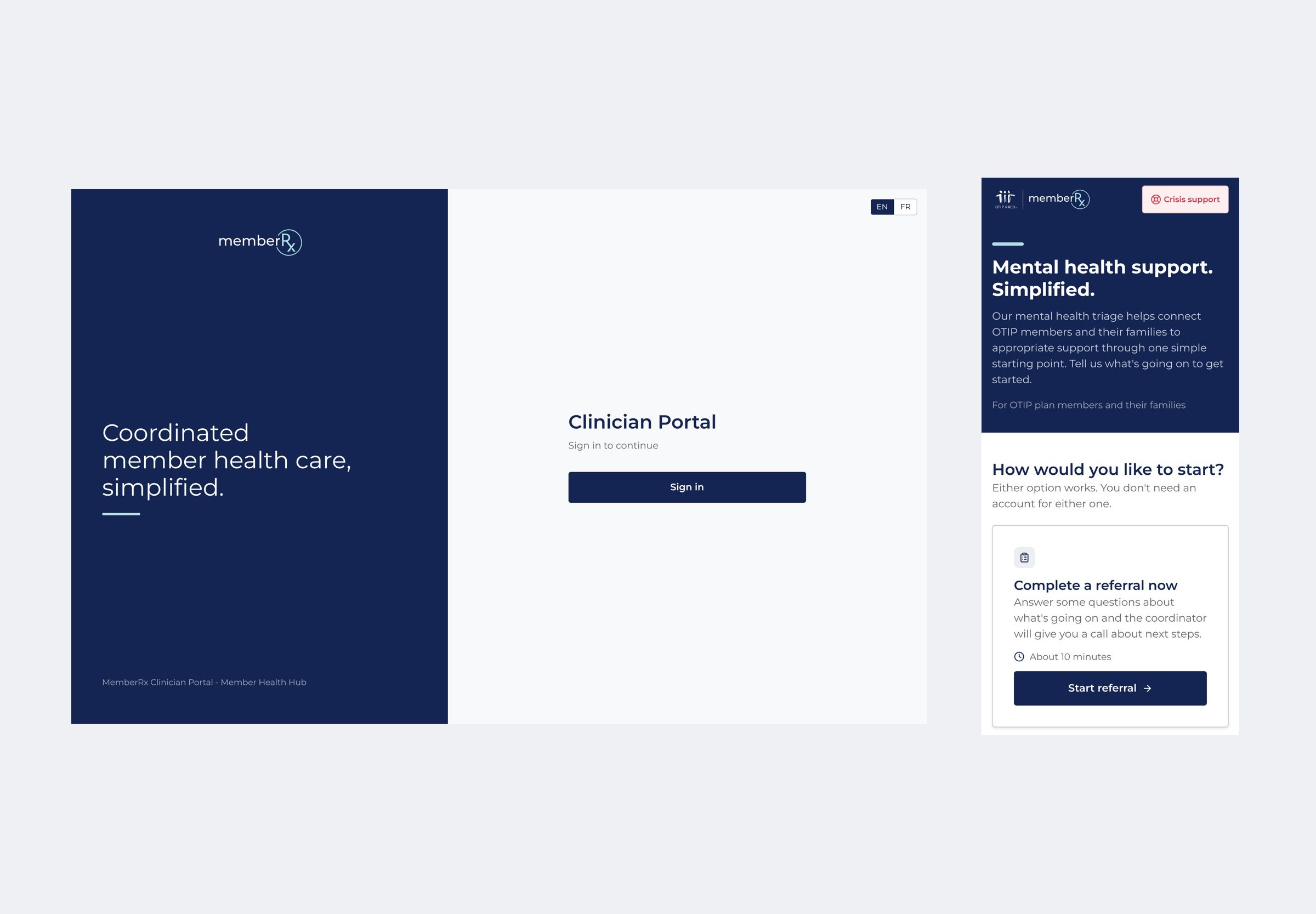
Phase one of the Mental Health Hub went live in September 2026, about eleven weeks after kickoff, with member intake, the coordinator workspace and the partner clinic portal in production. The first member referral arrived within days of launch, and by early October the first members had been handed over to the partner clinic.
The pilot is open to up to 500 OTIP members and their families. Cubic Health reports strong interest from lower-paid union members, such as custodial and non-teaching staff, whose benefits cover less and whose level of need can be high. Psychologists using the platform have told Cubic Health it is easy to use.
MemberRx now has the infrastructure to answer a question most benefit plans cannot: what happened after a member asked for help. Members get a guided first step with a person on the other end, coordinators get one place to work, and plan sponsors get a measured pathway from intake to outcome. For Cubic Health, the pilot also shows it can do more in this space.
News & Media